
Views: 0 Author: Site Editor Publish Time: 2026-01-29 Origin: Site


One pole can carry power, fiber, and lights. That mix raises load, sway, and clearance risk. The right Pole Line Hardware keeps joint-use networks stable.
In this article, we break down the top 5 essential Pole Line Hardware components. You’ll learn what each one does, how to spec it, and which checks prevent costly field rework.
Before we go deep, here is the quick map. Use it to align teams fast. It also helps you build an RFQ list.
Component | What it protects | Common buyer mistake | Fast selection check |
Insulators and brackets | Electrical isolation and clearance | Wrong mounting style or pollution rating | Match voltage, bracket holes, and environment |
Pole bands and mounting hardware | Secure attachments on round poles | Wrong diameter range or offset | Use pole diameter at mounting height |
Pole clamps and cable clamps | Conductor and cable restraint | Under-rated load or poor fit | Define load case and cable size |
Crossarms and structural supports | Spacing, layout, and load sharing | Weak interface hardware | Verify arm material and connection method |
Guying and anchoring hardware | Pole stability under unbalance | Soil mismatch or tension slip | Match soil, rod length, and grip method |
Insulators stop current from reaching the pole. They also keep phase spacing stable. Their mounts matter just as much as the insulator body. A side-mounted post bracket must resist rotation under tension. A weak bracket can drift after the first storm season. That drift can reduce clearance and raise flashover risk. Start by matching voltage class and mounting style. Then match contamination level and wet performance needs. For joint-use poles, bracket geometry also protects telecom separation. We should also confirm hole pattern and bolt size early. It avoids field drilling and delays.
Pole bands let you mount hardware without drilling. That matters on treated wood and crowded poles. Fit drives performance more than appearance. If the band range is wrong, it twists during torque. If offsets are wrong, attachments clash on joint-use stacks. A good band spec starts from pole diameter at mounting height. It also includes adjustment range for real pole variation. Offset bands and double-offset hoops help manage clearance on busy routes. For galvanized bands, specify hot-dip coating and thickness targets. For example, many programs use HDG and verify microns at receipt. Good packing also matters, since bent bands waste crew time.
Tip: Ask for a pole diameter range, not a single value.
Clamps do more than “hold a cable.” They control motion, tension, and vibration. In power work, they can restrain conductors and grounding leads. In telecom work, they can hold messenger wires and drop cables. Selection must start from the load case. Define tension, shear, and vibration exposure. Then match clamp throat size and contact face design. Poor fit can crush jackets or slip under wet cycling. Materials also matter for long service. Forged steel fits high-load clamp bodies. Carbon steel fits many general brackets and formed parts. In coastal zones, 304 stainless may fit selected clamps. Buyers should also control edge finishing for handling safety.
Component 4: Crossarms set spacing and organize attachments. Steel arms offer high strength and repeatable holes. Wood arms can work well, yet they need careful bearing control. The arm interface hardware must match the arm material and load. If the interface loosens, the whole layout shifts.
Component 5: Guying and anchoring hardware keeps poles upright under unbalance. It matters at angles, dead-ends, and heavy telecom add-ons. Start from the load path, then match soil condition and anchor type. Guy grips and clamps must hold tension without slip. Corrosion control also matters, since pits reduce grip and stability. A stable guy system protects clearances and lowers emergency work exposure.
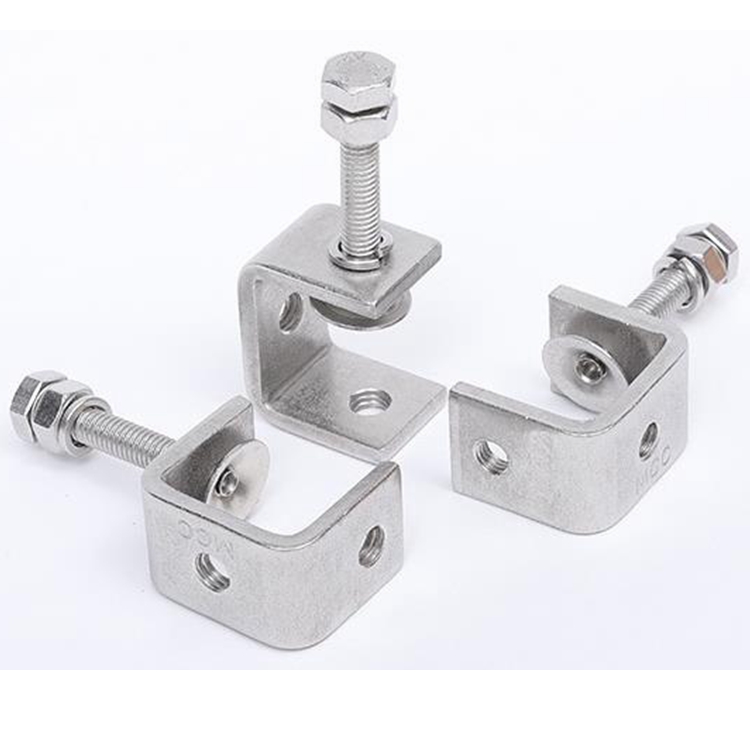
Start by naming the work type. Is it a new build, a retrofit, or an add-on? New builds favor speed and standard kits. Retrofits favor matching legacy holes and bolt sizes. Add-ons often happen on crowded poles. That raises clearance risk and public exposure. We should list every planned attachment by height and side. Then we should mark clearance constraints and access limits. This prevents late changes on site. It also helps suppliers quote the right geometry. When we define the scenario clearly, we reduce “field engineering” during outages. That is where cost and risk spike.
Corridor conditions should become simple specs. Start with wind exposure and vibration risk. Add ice risk if the region requires it. Add pollution and humidity level for corrosion planning. Then define service-life targets and inspection assumptions. If access is hard, we should choose longer-life finishes. For most corridors, hot-dip galvanized steel is the baseline. For harsh coastal routes, we may upgrade certain parts. We also need to define installation constraints. Crews prefer predictable torque and clean thread run. That means we should verify thread usability after galvanizing. It also means we should avoid sharp edges and snag points.
Most failures start from small mismatches. Pole diameter changes by height and pole class. So bands need real adjustment range. Pole curvature matters for curved washers and bearing faces. Hole patterns matter for brackets and clamp plates. Unit systems also matter. Inch and metric mixes slow crews and break spares planning. We should standardize bolt sizes across kits when possible. We should also define acceptable tolerances for hole spacing and offsets. For custom parts, a first-article fit check on a pole section saves days later. It also prevents drilling on treated wood and cracked concrete edges.
Hot-dip galvanized steel fits most joint-use corridors. It offers strong corrosion resistance for a practical cost. Zinc also protects edges and complex shapes well. Buyers should specify more than “galvanized.” They should specify the coating standard and thickness target. Many programs reference ASTM A153 for small hardware items. They also set minimum thickness values such as 85 μm for outdoor duty. Thread usability must be part of the plan. Heavy zinc buildup can block nuts and slow installs. Good suppliers control threads and contact faces during galvanizing. Buyers should verify thickness and thread fit during receiving. It prevents stuck assemblies on poles.
Stainless appears in harsh moisture and salt exposure. 304 stainless helps where rust risk is high. It often makes sense for selected clamps or fasteners. Still, mixed assemblies need rules. Dissimilar metals can create galvanic action under wet films. That can speed zinc loss on nearby HDG parts. So we should define pairing policies for each corridor zone. We can also use isolators when dissimilar metals must touch. A consistent rule set reduces field confusion. It also reduces spare-part mix-ups across depots. Stainless also changes torque feel, so crews need stable torque guidance. We should avoid casual substitutions late in the project.
Note: Mixed metals can work, yet they need planned isolation.
Design details can extend coating life without changing materials. Rounded edges reduce early coating wear. Clean burr removal prevents sharp rust starts at corners. Smooth contact faces reduce fretting under vibration. Packaging also matters for long bands and threaded parts. Abrasion in transit can remove zinc at edges. Bent bands can also force rework on site. Buyers should request packing that prevents rubbing and bending. Kit packing also reduces missing parts during installs. Clear part marking helps inventory and traceability. Laser marks or stamped IDs can speed repairs and reduce wrong-part installs. These details improve reliability without adding major cost.
Environment zone | Recommended baseline | Upgrade trigger | What to control |
Inland, normal humidity | Carbon steel + HDG | High vibration points | Thickness, threads, fit |
Coastal, high humidity | HDG + selective stainless | Splash and salt spray | Pairing, isolation, packing |
Industrial pollution | HDG plus stronger inspection | Acidic deposits | Thickness checks, edge control |
Standards help buyers compare suppliers fairly. They also protect audits and receiving checks. Many tenders reference IEEE and ANSI documents for pole line families. Many also reference ASTM for coatings and materials. The key is clarity in the RFQ. List the governing documents and the unit system up front. Then state which document controls if conflicts appear. This reduces back-and-forth during approval. It also reduces late rejection at receiving. For global programs, local codes can also apply. We should include them as controlling requirements. Clear standards also help crews, since tools and spares stay consistent.
Not every part needs the same testing depth. Critical parts do. Guying hardware and anchors carry high consequence risk. High-load clamps at angles also carry high consequence risk. For these parts, ask for proof or load verification tied to the shipment lot. Define the sampling plan and pass criteria. If the supplier offers routine acceptance testing, use it for high-risk categories. Testing adds value when it matches real failure modes. It should focus on slip, deformation, and fracture risk. It should also track consistency across lots. That is how you avoid “good sample, weak production” problems. It also supports faster internal approvals.
Tip: Align tests to your highest-consequence poles first.
Documentation turns promises into evidence. It also speeds approvals across engineering and procurement. Ask for material certificates, coating records, and dimensional reports. For custom geometry, require a first-article report. For critical parts, request test results tied to the lot. Add traceability marks when practical. It helps containment if a defect appears. The table below is a simple checklist for most programs. You can scale it by risk level and volume.
Document | What it proves | When it matters most |
Material certificate | Grade and heat trace | New supplier onboarding |
Coating record | Thickness and inspection method | Coastal or industrial corridors |
Dimensional report | Holes, radii, offsets | Retrofits and joint-use stacks |
Lot traceability | Batch control and markings | Corrective action and recalls |
● Validate fit on a pole section early.
● Confirm band range at mount height.
● Check hole spacing and offset clearance.
● Verify curved washer radius on round poles.
Fit checks should happen before full production. When we skip them, crews improvise on site. That often means drilling, grinding, or part swapping. It wastes outage minutes and raises safety risk. Fit also affects long-term stability. Poor fit shifts loads into bending and slip. Good fit keeps loads where engineers expect them. A short pilot install also captures crew feedback. It helps us lock a spec they can repeat.
● Require smooth edges and clean deburring.
● Verify threads start clean and run smooth.
● Keep wrench flats consistent across kits.
● Use packaging that prevents abrasion and bends.
Crew-friendly hardware reduces injuries and speeds installs. Coated parts should avoid blocked threads and sharp zinc runs. Kit packing also matters more than it seems. A labeled kit reduces missing items on poles. It also prevents wrong substitutions across contractors. When crews trust the kit, they move faster. That lowers outage time and public disruption.
● Inspect angles, dead-ends, and joint-use stacks.
● Look for slip marks on bands and clamps.
● Check rotated brackets and shifted crossarms.
● Watch for loose nuts and rust streaks.
Storms reveal weak points quickly, so focus on high-risk poles first. Rust streaks can signal coating damage or water traps. Bent brackets can signal overload or poor fit. If you see repeats, review the spec. The root cause often sits in fit range, torque behavior, or corrosion pairing. A fast feedback loop protects long programs from repeating the same issue.
● Send drawings or a physical sample.
● Include pole type and diameter range.
● State load case and environment zone.
● List standards, unit system, and coating targets.
A strong RFQ saves weeks of emails. Add inspection and sampling expectations up front. List required documents per shipment lot. If you need marking, define the format. If you need kits, define packing and labeling rules. These inputs help suppliers quote accurately and reduce scope gaps. When quotes match real needs, approvals move faster and work packages stay stable.
● Ask about incoming material checks.
● Ask how they control forming and drilling.
● Confirm coating and thread verification methods.
● Review traceability and CAPA workflow.
Quality is a system, not a brochure claim. Gauge calibration records show real control. Change control also matters for repeat orders. Drift between batches can create clearance risk on joint-use poles. A supplier that manages variation lowers field risk and reduces receiving rejects across depots.
● Confirm MOQ and lead time per SKU.
● Require thread and contact-face protection.
● Prevent band bending using stronger cartons.
● Set pallet patterns and carton label rules.
Logistics can damage hardware before it reaches the pole. Loose packing can abrade threads and chip zinc. Bent bands force rework and delays. Depot-friendly packing speeds receiving and reduces pick errors. Stable logistics also improve field confidence, which reduces on-pole improvisation.Note: Packing quality often predicts field success more than brochures.
Modern joint-use poles need stronger planning and better parts. The five essentials work as one system, keeping clearance, grip, and structure stable. When we spec loads, fit, corrosion, and verification early, we reduce rework and improve reliability across both telecom and power networks.
Hangzhou Wonder Hardware Manufacturing Co., Ltd. supplies Pole Line Hardware for these demanding corridors. They support OEM and ODM needs, offering HDG, 304 stainless, and forged options, so buyers can match pole geometry and environments for longer service life.
A: Pole Line Hardware includes brackets, bands, clamps, bolts, and support parts that hold power and telecom attachments stable on poles.
A: Select Pole Line Hardware by starting from the attachment scenario, then matching loads, pole diameter range, and corrosion zone before ordering.
A: Pole Line Hardware can fail from poor fit, loose torque, vibration exposure, or corrosion that reduces preload and causes slip marks.
A: Pole Line Hardware in HDG steel is often the best baseline cost choice, while stainless fits severe coastal zones when mixed-metal pairing is controlled.
A: Include Pole Line Hardware drawings or samples, pole geometry, load case, standards, coating targets, inspection plan, and required lot documents.


