
Views: 0 Author: Site Editor Publish Time: 2026-01-27 Origin: Site


Rust rarely fails fast. It fails quietly at the joint. Hot-dipped galvanized Pole Line Hardware helps stop that slow damage.
In this article, we explain why HDG matters for long-lasting infrastructure. You’ll learn how zinc protection works, what buyers should verify, and how to specify Pole Line Hardware for longer service life.
Pole Line Hardware is the connection system on each pole. It includes bolts, nuts, washers, pole bands, clamps, and brackets. They hold crossarms, insulators, and grounding parts in position. They also carry tension, wind load, and vibration forces every day. If these parts slip, clearances change and risks rise. If they corrode, joints can seize and crack during maintenance. Good hardware keeps the structure predictable for crews. It also helps engineers trust load paths across the full asset life. They also help crews keep torque consistent during rushed work. When hardware fits well, they avoid field drilling and delays.
Hot-dip galvanizing coats steel by dipping it in molten zinc. Zinc bonds to the surface during immersion and cooling. The result is a continuous zinc layer around the part. That layer blocks water and oxygen from reaching the steel. It also offers sacrificial protection in many exposures. So zinc corrodes first and shields the base metal longer. Utilities rely on this finish for outdoor fittings. It works well on carbon steel and forged steel parts used on poles. It differs from spray zinc and thin electroplating methods. The dip builds a bonded layer that resists chipping.
HDG is built to fight common outdoor failure drivers. It slows red rust, pitting, and section loss on exposed edges. It reduces thread seizure that blocks safe removal later. It protects hidden contact zones under washers and bands. It also tolerates small scratches from tools and transport. When joints stay clean, they hold torque longer. When torque stays stable, the line holds geometry better. Across many poles, that means fewer callouts and fewer emergency replacements. It also limits sharp rust scale that can cut gloves. That improves handling safety during routine pole work.
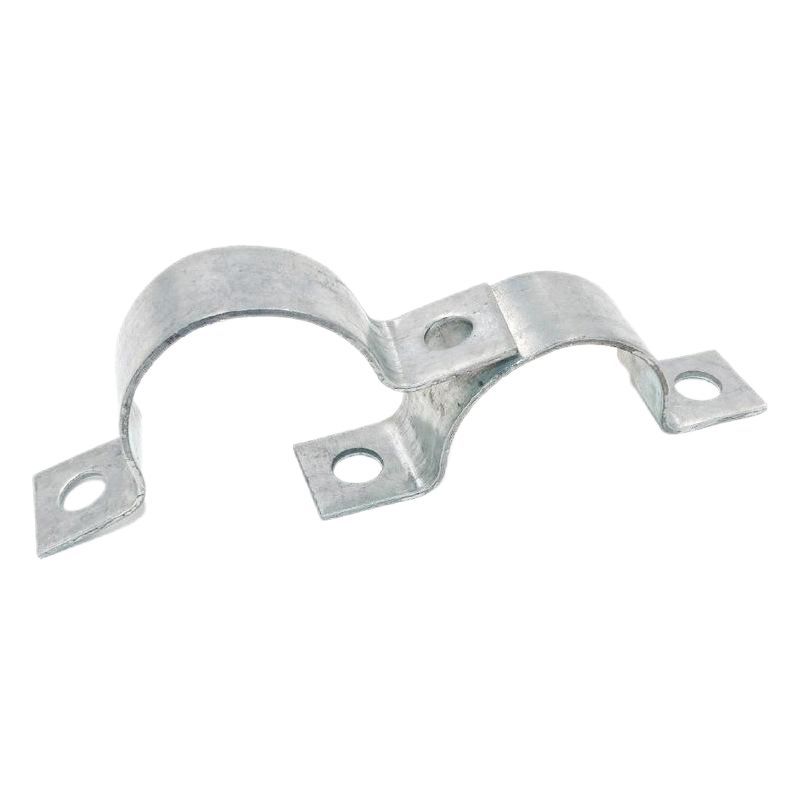
Outdoor steel sees wet–dry cycling in every season. Moisture sits under bands, then dries in the sun. Those cycles pull oxygen and salts into tiny gaps. HDG adds a zinc barrier that slows steel corrosion. It helps most at seams and contact faces crews cannot repaint. It also protects on corners where rust often starts. Over time, better barrier performance keeps section loss low. Low section loss protects the load path and joint strength. That is a direct stability benefit for overhead lines. It matters when inspection cycles stretch across many years. Better barriers buy time before crews must return.
Field reality includes scratches, dings, and tool slips. Paint can fail fast when a chip exposes steel. Zinc can still protect nearby steel in many conditions. It corrodes first and limits rust spread around small damage. This sacrificial action gives a wider safety margin. It reduces the need for perfect handling at every stage. That matters for large programs and tight outage windows. Crews work faster when parts remain serviceable. They also stay safer when they avoid cutting seized bolts on poles. It also reduces rust staining that triggers early replacement requests. That keeps inventories calmer during storm seasons.
Pole Line Hardware is full of edges and formed shapes. Curved washers, offset bands, and brackets have corners and bends. Those areas can be weak points for thin coatings. HDG coats the whole part during immersion in zinc. It reaches holes, edges, and bends more consistently. That reduces early rust starts at geometry transitions. It also supports more even contact friction on mating faces. Even friction helps crews hit target torque more consistently. Consistent torque reduces loosening and joint movement over time. For curved washers, coverage keeps bearing faces smooth longer. For pole bands, it reduces rust under strap contact.
Thickness is one corrosion lever buyers can measure reliably. A thicker zinc layer usually lasts longer in similar exposure. Many utility specs set minimum thickness targets for HDG hardware. Some programs use targets like 85 μm for harsh outdoor duty. The right target depends on zone, access, and service-life goals. Coastal routes often need stronger protection than inland routes. Buyers should define zones before locking one global value. They should also define where thickness is measured on each part. Clear measurement points prevent arguments during receiving checks. Ask suppliers how they control thickness on threads and edges.
Corrosion changes torque and clamping behavior over time. Rust can build under washers and change bearing surfaces. It can also degrade threads and reduce preload retention. HDG slows these changes and keeps interfaces more stable. That helps joints hold preload and resist slip under vibration. It also helps crews loosen hardware during upgrades and retrofits. When hardware stays serviceable, maintenance work becomes faster. Faster work reduces outage minutes and exposure time. These benefits show up early on busy feeders. They show up again after the first severe storm season. Stable joints reduce noise from hardware chatter during high winds. They help keep insulators and crossarms in designed alignment.
Long life is a sustainability benefit for infrastructure owners. Fewer replacements mean less steel, less transport, and less disruption. HDG also reduces repainting and repeated touch-up work. That lowers ongoing labor and equipment use on site. For finance teams, the bigger gain is total cost control. Fewer truck rolls protect budgets and schedules year after year. Stable joints also protect reliability metrics and customer trust. Over time, HDG shifts spending from reactive repairs to planned upgrades. That is better for communities and for field safety.
Note: Write “HDG” requirements as numbers, tests, and acceptance rules.
Receiving checks should focus on function, not looks alone. Confirm continuous coverage on edges, holes, and contact faces. Check threads for usability using gauges after coating. Look for heavy runs that can block assembly or change torque. Verify sharp edges are removed to reduce handling risk. If your spec calls for 85 μm minimum, measure and record it. Make sure measurement locations match your part geometry. These steps reduce field surprises and protect crew time. They also create a clear record for supplier feedback. Record results by lot so you can trace trends later. If you see drift, pause receipts and request CAPA.
Fit issues create hidden cost during installs. A band that misses pole diameter can twist under torque. A washer that misses curvature can concentrate load in one line. Hole mismatch can force field drilling and rework on treated poles. Buyers should request first-article dimensional reports on custom parts. They should also test fit on a real pole section or fixture. Focus on pole diameter range, hole spacing, and offset distance. Good fit reduces loosening and long-term drift. It also speeds installs in tight outage windows. Use go/no-go gauges for repeatable checks across lots. Capture photos and measurements for approval files.
Documentation turns promises into evidence and supports EEAT. It also helps you compare suppliers on consistent criteria. Request certificates, inspection records, and lot traceability per shipment. For critical clamps or bolts, request mechanical proof tied to the lot. Traceability marks help if an issue appears in the field. They also support warranty discussions and corrective action timing.
Record type | What it proves | Why it matters |
Material certificate | Steel grade and heat identity | Supports strength and forming control |
Coating record | Thickness and inspection results | Predicts corrosion life and serviceability |
Dimensional report | Holes, radii, and fit control | Reduces rework and field drilling |
Lot traceability | Batch control and markings | Speeds root-cause action and containment |
Keep these files in one shared folder for quick audits. When you buy internationally, records also help clearance. They reduce email loops and speed internal approvals. They also help you react fast when crews report a defect.
Tip: Use a pilot lot on real poles before scaling to full orders.
● Loads rise on older structures during rebuilds.
● Conductors get larger and tension increases for clearance.
● New equipment adds weight and wind area on poles.
● Joints then see more motion and stress during storms.
HDG helps by keeping interfaces protected and serviceable. It reduces slip, rotation, and slow drift after high-wind events. It also lowers rework during tight outage windows, since crews spend less time fighting seized threads. Over time, fewer repeat callouts hit the same segment, and early punch-list fixes drop for contractors.
● Salt spray attacks edges and threads fast.
● Wet–dry cycling drives corrosion into tight gaps.
● Access is harder, so life must be longer.
● Mixed metals can raise galvanic risk.
HDG extends service life when thickness targets match exposure. In some cases, 304 stainless fits selected fittings, yet pairing and isolation need clear rules. For most common fittings, HDG stays the practical baseline because it balances cost, strength, and corrosion control. When coastal exposure is severe, ask for salt-spray targets and treat life estimates as guidance to validate locally.
● Crowded poles raise clearance risk and public exposure.
● Power, telecom, and lighting share space and loads.
● More attachments increase wind area and vibration demand.
● Retrofits happen often, so serviceability matters.
HDG supports stable geometry on bands, brackets, and fasteners. Protected threads reduce cutting and drilling on site, which protects pole surfaces and helps avoid permit delays. Utilities also see fewer complaint-driven visits and less safety exposure near traffic over time.Note: ROI improves most when outages are costly and access is limited.
A strong RFQ shortens the full timeline for buyers. Provide drawings, samples, or clear part photos where possible. Include pole type, diameter range, and mounting constraints. List the coating standard, thickness target, and inspection method. State the service environment and service-life goals by corridor. Define the load case, safety factor, and failure mode to avoid. Add packaging needs that protect threads and coating during shipping. Clear inputs reduce re-quotes and approval loops. They also reduce mismatches between quotes and delivered parts. Include required markings for inventory and traceability control. Also state packaging rules for thread and coating protection.
Good sourcing treats the system as one assembly. Base material should match load, forming, and exposure needs. Low-carbon steel fits many bands and formed brackets. Forged steel fits high-load clamps and critical bolts. HDG protects these steels for outdoor use and long service. Geometry should match pole curvature and diameter range. Hole patterns should match field standards to avoid drilling. When fit is right, loads stay in tension and shear. When fit is wrong, loads shift into bending and loosen sooner. Good sourcing also reduces that risk.
Spec input | What to define | Buyer outcome |
Environment zone | Inland, coastal, industrial, splash | Correct protection, fewer failures |
HDG requirement | Standard plus minimum thickness | Clear inspection, stable corrosion life |
Fit geometry | Pole diameter range, radii, offsets | Faster installs, less rework |
Load requirement | Proof load and safety factor | Safer margins in storms and vibration |
Avoid mixed metals unless you plan isolation at contact points. Simple sleeves or washers can reduce galvanic risk. If stainless is needed, define pairing rules in the RFQ. That prevents hidden corrosion surprises after installation.
Acceptance is where your spec becomes delivered quality. Start using first-article approval for new designs and tooling. Run a pilot lot for fit and handling on real pole fixtures. Measure coating thickness at agreed locations and record results. Verify threads after coating and before packing and shipment. Inspect packaging for abrasion risk on long-distance transport. Then lock the plan for repeat orders and depot replenishment. This approach reduces surprises after rollout. It also creates shared expectations across engineering and procurement. It protects both schedule and field safety during deployment. It also improves supplier accountability across future batches.
Tip: Align acceptance checks to real field failure modes and install steps.
Hot-dipped galvanized Pole Line Hardware protects steel where failures start. It slows corrosion, keeps threads serviceable, and helps joints hold torque longer. Over time, it reduces repeat repairs, supports safer work, and extends infrastructure life.
Hangzhou Wonder Hardware Manufacturing Co., Ltd. supplies HDG Pole Line Hardware for outdoor power and public systems. They offer OEM and ODM support, helping buyers match coating targets, fit requirements, and load needs for longer-lasting projects.
A: Pole Line Hardware is steel fittings coated in zinc by dipping, helping it resist rust and stay serviceable outdoors.
A: Pole Line Hardware in HDG form slows corrosion, keeps torque longer, and reduces repeat repairs across pole networks.
A: Specify Pole Line Hardware by coating standard, minimum zinc thickness target, inspection method, and packaging protection.
A: Use Pole Line Hardware in stainless for severe coastal zones or critical points, but control mixed-metal pairing to avoid galvanic risk.
A: Check Pole Line Hardware for blocked threads, bare spots, coating damage, and poor fit that could cause loosening later.


