
Views: 0 Author: Site Editor Publish Time: 2026-01-28 Origin: Site


Buying the wrong part costs more than money. It costs time on the pole and risk on the line. Pole Line Hardware choices decide fit, torque, and long-term stability.
In this article, we walk through a complete selection guide, from insulator brackets to pole clamps. You’ll learn how to define loads, match pole geometry, choose corrosion protection, and verify quality before you order.
Start by naming the job the part must do. Is it holding an insulator on a tangent pole? Is it clamping a cable on a joint-use pole? Is it securing a grounding lead near a road crossing? Those use cases set the risk level fast. They also shape your acceptable failure modes. A retrofit often needs matching hole patterns and legacy bolt sizes. A new build often needs speed and repeatable installation. Reconductoring often increases tension and vibration exposure. When you write the use case clearly, suppliers quote faster. They also avoid guessing on geometry and load paths.
Loads decide strength, not catalog photos. Define tension, shear, and bending where the part sits. Add wind and ice assumptions if the corridor requires them. Add vibration risk if spans are long or exposed. Next, name the failure you must avoid. Some buyers fear slip and rotation first. Others fear fatigue cracks or sudden fracture. When you define those risks, you can choose safer margins. You also prevent “over-spec” parts that waste money. A smart safety margin matches the network’s consequence level. It also matches inspection cycles and access limits. If access is hard, you want more margin.
Pole type changes how hardware behaves. Wood poles compress under bearing faces. Concrete poles demand precise hole alignment. Steel poles may need different corrosion pairing rules. Geometry matters even more than material at first. Pole diameter varies by class and by height on the pole. Curvature fit matters for washers and bands. Hole patterns matter for brackets and clamp plates. Wrong fit causes field drilling and rework. It also creates uneven contact pressure and early loosening. Ask for the pole diameter range at the mounting height. Then specify band adjustment range and washer radius. This one step prevents many truck-roll surprises.
Corrosion strategy must match the corridor. Inland routes often work well using carbon steel plus hot-dip galvanizing. Coastal and high-humidity routes push zinc loss faster. Industrial zones add acids and soot that speed attack. Stainless options can help for selected fittings in harsh zones. Yet mixed-metal assemblies need pairing control. Galvanic action can accelerate local damage when wet films form. So define zones and pick a rule set for each zone. Keep it simple for crews and inventory. Use the same rule across a whole feeder when possible. It reduces swap errors and ordering confusion later.
Many programs still use inch-based hardware for wood poles. Others run metric hardware for specific regions. Mixing them causes slow installs and wrong spares. Confirm the unit system in the RFQ header. Then list the governing standards the project expects. Many tenders reference IEEE or ANSI documents for pole line families. Many also reference ASTM for coatings and materials. If local rules apply, include them as controlling documents. Ask suppliers to confirm compliance in writing. This reduces late-stage rejection at receiving. It also aligns inspection tools and gauges across depots.
Verification is not a last-minute task. It is part of selection. Define first-article approval for new parts or tooling. Use a pilot lot for fit checks on real pole sections. Define sampling rules for coating and dimensions. Define what documents must ship per lot. Good verification reduces field risk and rework. It also makes supplier performance measurable. The table below shows a simple plan buyers can copy. Adjust it to your risk level and volume.
Step | What you verify | Typical tool | What it prevents |
First-article | Holes, curvature, offsets | Dimensional report | Field drilling and misfit |
Pilot install | Fit and crew handling | Pole fixture test | Slow installs and rework |
Incoming QC | Coating and threads | Thickness gauge, thread gauge | Seized bolts, early rust |
Lot records | Material and traceability | Certificates, batch IDs | Unclear root-cause later |
Tip: Treat verification as part of selection, not a separate phase.
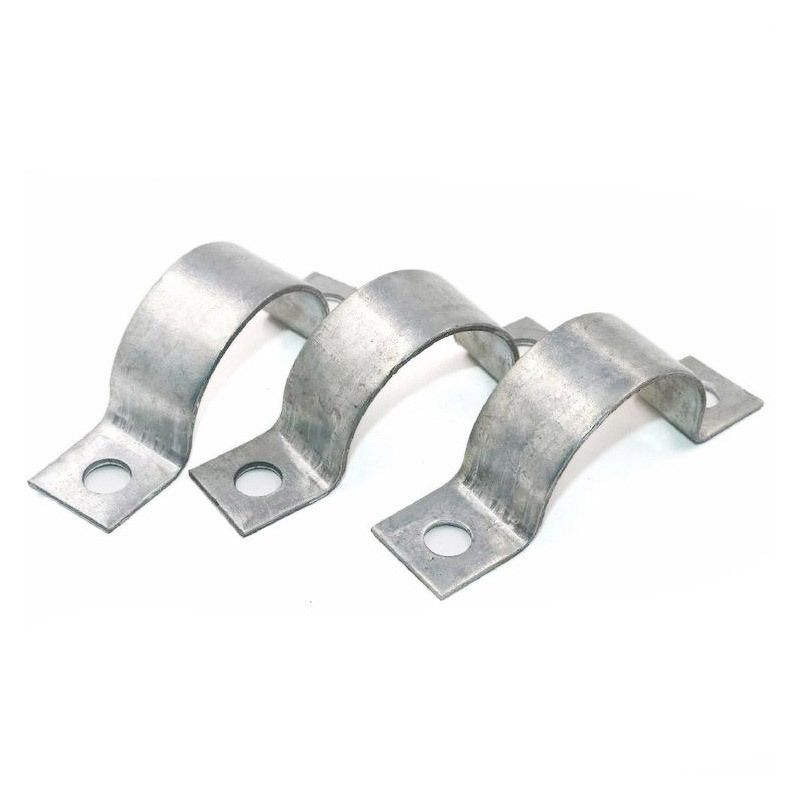
● Confirm insulator type and hole pattern first.
● Check rotation resistance under tension loads.
● Control bracket stiffness to protect clearances.
● Require smooth edges to protect polymer parts.
Insulator brackets set conductor position and clearance. If they flex or rotate, spacing can drift and flashover risk rises. For upgrades, match legacy holes to avoid field drilling on treated wood or concrete surfaces.
● Select by pole diameter at mounting height.
● Choose offset style for joint-use spacing needs.
● Verify hole spacing to avoid field alignment fights.
● Check bolt seating for vibration and wind zones.
Bands and hoops act like a grip system on round poles. If diameter range is wrong, it can twist during torque and slip later. Double-offset hoops help when attachments need angle control and clearance on crowded poles.
● Standardize sizes and unit system across kits.
● Use curved washers where poles are round.
● Verify threads after galvanizing to avoid seizure.
● Control stainless pairing near galvanized parts.
Fasteners decide long-term tightness because they hold preload. Curved washers spread load and reduce crushing lines on wood. If torque feel varies, joints loosen sooner, so buyers should confirm thread quality and pairing rules.
● Define load path and soil conditions early.
● Choose anchor type for site geology realities.
● Verify clamp grip to prevent tension slip.
● Set corrosion rules for long-life stability.
Guy systems protect pole plumb and clearance at angles and dead-ends. Corrosion and slip reduce tension control over time. Use galvanized steel for many programs, then upgrade critical points in severe coastal exposure.
● Carbon steel fits formed brackets and bands.
● Forged steel suits high-load clamps and bolts.
● 304 stainless fits coastal and high-humidity zones.
● Define “critical points” for upgrades by risk.
Material choice should follow load and exposure, not habit. Using stronger steel where loads peak reduces deformation risk. Using stainless where corrosion is extreme reduces service calls, yet it needs pairing control to avoid galvanic issues.
● Specify more than “galvanized” in the RFQ.
● Set standard, thickness target, and sampling rules.
● Require thread usability checks after coating.
● Protect coating during packing and transit.
HDG is a bonded zinc coating that covers edges and shapes well. Buyers should verify coverage on holes and corners during receiving. They should also gauge threads and confirm no heavy buildup blocks assembly.
● Keep like metals together where possible.
● Use isolators when dissimilar metals must touch.
● Lock fastener materials across each kit.
● Document pairing rules for field consistency.
Mixed metals can speed local corrosion under moisture films. If bolt material changes, torque behavior can change too, which affects preload. A simple pairing policy reduces surprises across joint-use corridors and retrofit programs.Note: Mixed metals can work well, but they need planned isolation.
Standards help buyers compare suppliers on the same baseline. They also protect the project during inspections and audits. Many tenders cite pole line hardware standards and test guidance. Many also cite coating standards for zinc protection. Your RFQ should list the governing documents clearly. It should also say which document controls if conflicts appear. Add the unit system as a first-line requirement. Add any local codes for the build region. Then ask suppliers to confirm compliance per part family. Clear standards reduce disputes during receiving. They also reduce surprise changes late in the schedule. This is especially important in multi-country programs.
Not every part needs the same test depth. Critical fittings do. Clamps at dead-ends and angles carry high consequence risk. Guy components at unbalanced poles also carry high consequence risk. For these parts, ask for proof or mechanical verification. Ask suppliers to tie results to the shipment lot. If your program uses acceptance testing, define the sampling plan. Also define pass criteria and reporting format. Mechanical verification supports EEAT because it shows measurable checks. It also helps engineers sign off faster. It reduces “trust me” risk in procurement. When failures happen, test records speed root-cause and containment.
Documentation reduces friction across engineering, procurement, and field teams. It also supports quality audits and warranty discussions. Ask for material certificates for major steel families. Ask for coating records for galvanized parts. Ask for dimensional reports for custom geometry. Ask for traceability marks or lot IDs where possible. Keep the package consistent across suppliers. That makes comparison easy and reduces review time.
Document | What it covers | When buyers need it most |
Material certificate | Grade, heat, basic chemistry | New supplier onboarding |
Coating record | Thickness, method, sampling | Coastal and industrial zones |
Dimensional report | Holes, radii, offsets | Retrofits and custom kits |
Traceability info | Lot ID, marking, packing list | Field failures and recalls |
Tip: Require one document set per lot, then archive it centrally.
Fit drives installation speed and long-term stability. Start by confirming pole diameter at the mounting height. Then confirm band adjustment range for that diameter. Confirm washer radius for curved bearing faces. Confirm bracket hole spacing for the existing crossarm or fixture. For retrofits, confirm the legacy hole pattern early. Field drilling wastes time and weakens treated wood. It can also crack concrete surfaces near holes. A pilot fit on a pole section finds issues fast. Use it before you release full production. If the fit is right, torque is easier. If torque is easier, preload is more consistent. That reduces slip and repeat callouts later.
Good hardware should be safe to handle and easy to install. Deburred edges reduce glove cuts and snagging. Clean chamfers help bolts start faster in low light. Consistent wrench flats reduce rounding during high torque work. Kit packing also matters for field efficiency. If parts arrive mixed or missing, crews improvise. That can create incorrect assemblies and future failures. Ask for labeled kits for common builds. Ask for protective packing around threads and coated faces. Also define how bands should be packed to avoid bending. These details reduce wasted minutes per pole. Over a program, they reduce large labor costs and schedule slips.
Torque is not only a “crew issue.” It is a selection issue. Thread quality, coating, and bearing faces affect torque feel. If torque behavior is inconsistent, crews can under-tighten without realizing it. That leads to slip marks and rotation after storms. If threads seize, crews may cut bolts and damage parts. Specify usable threads and predictable assembly behavior. Verify it during pilot lots. After installation, plan a quick inspection loop on high-risk poles. Focus on angles, dead-ends, and joint-use stacks. Look for rotation marks and loose nuts. Catching those early prevents a wider stability problem across the feeder.
Note: If torque feels wrong on day one, stability problems follow later.
Supplier quality is a system, not a slogan. Ask how they check incoming steel and fasteners. Ask how they control forming, drilling, and bending steps. Ask how they measure coating thickness and thread usability. Ask for calibration records for gauges. Also ask how they handle nonconforming parts. A clear CAPA process signals maturity. Ask who owns the final inspection sign-off. Ask how they label lots and store records. These signals predict stable performance across repeat orders. They also reduce surprise variation across depots. When you run multi-year programs, stability matters more than one-time price.
Customization often solves real field pain. You may need a washer radius that matches your pole profile. You may need an offset that clears telecom attachments. You may need a bracket hole pattern that matches a legacy arm. A good supplier supports drawings, samples, and change control. They provide first-article reports and quick revisions. They also support marking for inventory and traceability. Ask about their timeline for samples and pilot lots. Ask how they lock tooling and manage revisions. Strong change control prevents drift between batches. It also reduces re-approval work in your engineering team.
Procurement is not only unit price. MOQ affects stocking and pilot planning. Lead time affects outage scheduling and work packages. Packaging affects coating damage and bent bands. Logistics readiness affects on-time project starts. Ask how they pack long bands and threaded parts. Ask how they label cartons for depot receiving. Ask which ports they commonly ship from and typical transit routes. Define incoterms and inspection points early. Those choices reduce late surprises. They also reduce damage claims and missing parts. Stable delivery supports stable field work and stable reliability outcomes.
Tip: Ask for a packing photo standard before the first shipment.
Selecting Pole Line Hardware works best when we follow a clear method. Start from the use case, then define loads and failure risks. Next, match pole geometry, choose corrosion protection, and lock a verification plan before mass production. When we do it this way, installs run faster and joints stay stable longer.
Hangzhou Wonder Hardware Manufacturing Co., Ltd. supports Pole Line Hardware programs from brackets to clamps. They offer HDG, stainless, and forged options, plus OEM and ODM support, helping buyers reduce rework and build consistent, inspection-ready supply.
A: Pole Line Hardware includes brackets, clamps, bands, bolts, washers, and guy parts that hold lines, insulators, and attachments on poles.
A: Choose Pole Line Hardware by matching pole diameter, curvature, and legacy hole patterns, then validate fit using a pilot install.
A: Pole Line Hardware can slip due to poor fit, inconsistent torque, vibration exposure, or corrosion that reduces preload over time.
A: Pole Line Hardware often performs best using carbon or forged steel plus HDG, while stainless fits severe coastal zones when pairing is controlled.
A: Ask for Pole Line Hardware material certificates, coating records, dimensional reports, and lot traceability for faster approvals and fewer disputes.


